Quiet Luxury Under Open Skies

Today we explore understated luxury for outdoor living—patios, terraces, and gardens—where calm proportion, tactile materials, and purposeful restraint create spaces that feel effortlessly refined. Expect ideas you can use immediately, gentle upgrades that last for decades, and stories from real homes that traded flash for serenity. Wander with us through stone, shade, foliage, and light, and discover how less can honestly feel like more when every detail earns its place.

Principles of Effortless Elegance

Understated outdoor luxury begins with structure, not spectacle. Balance, continuity with the architecture, and a considered relationship to views matter more than ornament. When terraces align with sightlines, steps echo facade rhythms, and materials feel honest to place, a soft authority emerges. This approach rewards patient editing, guiding you to remove distractions until only what improves comfort, circulation, and atmosphere remains. The result is a grounded, lasting calm that welcomes you daily.

Materials that Whisper, Not Shout

Materials set the tone for quiet luxury by how they weather, catch light, and serve daily use. Favor finishes you want to touch: honed stone over polished, oiled timber over glossy varnish, patinated metal over mirror shine. They soften glare, reduce maintenance anxiety, and age gracefully. Choosing durable, tactile surfaces means more barefoot mornings, easier entertaining, and fewer replacements. True refinement is measured in comfort over time, not immediate spectacle.

Honed Stone and Soft Edges

Honed limestone, basalt, or sandstone provides gentle traction and diffuses sunlight, preventing harsh reflections. Eased edges on steps and coping feel inviting underhand and eliminate that sharp, showroom look. A client who replaced polished pavers with honed slabs noticed the terrace instantly calmer; the glare vanished, and evening shadows became velvety. Sealer choices matter, too: breathable, matte finishes protect without plastic sheen, preserving the stone’s mineral depth and honest texture.

Timber with Honest Grain

Select species that accept a soft finish and dignified aging, like teak, ipe, or thermally modified ash. Let the grain show, and favor oil or hardwax finishes that invite maintenance rituals rather than lacquered perfection. Silvering wood gracefully ties a deck to its garden, especially near coastal air. Small detail, big effect: align board joints with architectural lines so the timber feels part of the house, not an afterthought stapled onto it.

Metal Accents with Purpose

Metal should support, not star. Blackened steel planters, bronzed door hardware, or stainless fixings quietly anchor a palette and promise longevity. Seek brushed or patinated finishes that soften highlights and harmonize with stone and timber. When hardware disappears into shadow, materials around it glow. Thoughtful metalwork—slender railing profiles, concealed brackets, or thin fire bowl rims—adds fine-boned precision. The goal is whispering craft that rewards a closer look without demanding attention.

Furniture and Textiles for Lasting Calm
Pieces that read as quiet yet generous transform patios into liveable rooms. Choose silhouettes with gentle radii, supportive cushions, and proportions that invite lounging without bulk. Fabrics should resist weather while offering a linen-like hand. Avoid flashy contrast; layer texture instead. Concealed casters and modular bases keep layouts flexible for gatherings or solitary afternoons. When furniture respects body and climate, luxury expresses itself as unforced ease, not brand-forward display.

Silhouettes with Quiet Confidence

Low-profile seating preserves views and makes small terraces feel expansive. Slightly reclined backs and deep seats encourage lingering, while slim arms save precious inches. Seek pieces where joinery feels deliberate and hardware is discreet. A curved edge on a coffee table softens circulation paths. The most successful arrangements feel composed from any angle, showing restraint from the facade and generous comfort up close, rewarding the sitter more than the passerby.

Performance Fabrics, Natural Touch

Modern performance textiles can look and feel wonderfully natural. Solution-dyed acrylics resist fading, while advanced weaves imitate bouclé, canvas, or linen without absorbing water. Prioritize removable covers, breathable cushion cores, and neutral shades that accept seasonal throws. After a summer shower, quick-drying cushions keep the party effortless. The aim is unfussy beauty you can live with daily, where a spilled spritz or drifting pollen never threatens the serenity you’ve created.

Layouts that Invite Conversation

Arrange seating to celebrate both view and connection. An L-shape fosters intimacy without closing off vistas; a pair of lounge chairs turned slightly inward invites easy eye contact. Keep pathways ninety centimeters clear to encourage graceful movement. Add a pull-up stool for flexible seating and a lightweight side table for roaming drinks. The best layout feels like a gentle host, guiding guests naturally while never calling attention to its choreography.

Layered Greenery, Limited Palette

Choose a few species and repeat them rhythmically. Groundcovers knit space, mid-height shrubs provide softness, and taller elements lend enclosure. This layered arrangement reads as immersive but never busy. Shades of green carry subtlety: blue-green olive, deep yew, fresh box. Occasional white blooms add punctuation without visual fatigue. Fewer choices, better rhythm, and consistency across zones create the sophistication many chase with more plants and less patience. Editing is the secret.

Sculptural Forms and Gentle Pruning

Shape plants to echo architecture. Cloud-pruned boxwood, softly clipped myrtle, or upright olives can mirror a facade’s cadence without feeling stiff. The goal is living geometry, not rigid topiary. Use pruning to reveal branching character and invite dappled light onto stone. A slow hand each season avoids shock and preserves the plant’s dignity. Over time, these forms become quiet companions that guide movement and hold the garden through winter’s bare months.

Lighting in Layers

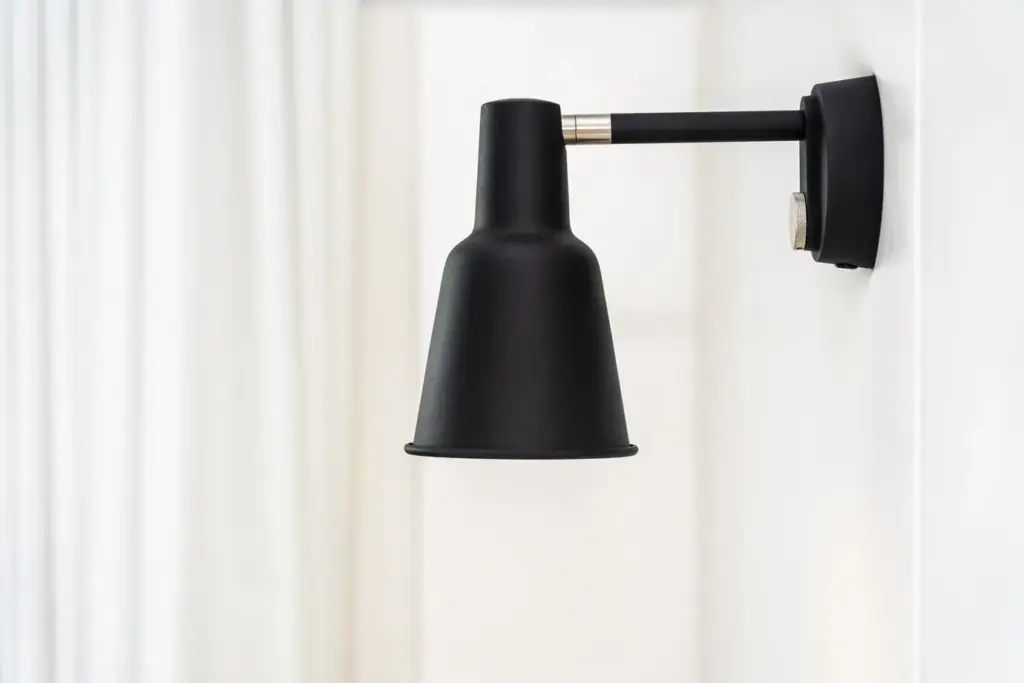
Blend ambient, task, and accent light. Downlights from pergolas create pools of warmth; low path lights guide without glare; a single beam on textured stone adds depth. Keep fixtures discreet and finishes consistent with hardware. Dim everything. Good lighting feels like moonlight that listens, not a spotlight that interrogates. When faces are flattered, steps are clear, and shadows remain, conversations lengthen. The night becomes soft, and the garden’s quiet character emerges faithfully.

Fire Features with Restraint

A shallow linear burner or a compact bowl at coffee-table height invites gathering without visual bulk. Choose dark media—lava rock or river stone—to temper flame brightness and blend with surrounding materials. Position for prevailing breezes and code clearances, and ensure comfortable reach for warmth without leaning. Fire should anchor a seating plan, never dominate it. The most memorable nights feel intimate because the flame is a companion, not the performance.

Living Well Outdoors, Every Day

Quiet luxury shines in daily rituals more than occasional events. Design for breakfasts, afternoon reading, and slow evenings as intentionally as parties. Provide a sheltered corner from wind, a sunny seat for winter, and a view worth pausing for. Keep tools hidden yet reachable. Let your terrace support life as it actually happens. Share your own rituals and questions with us, and subscribe for fresh ideas shaped by real conversations and seasons.
Kovufokizaxulaxahi
Privacy Overview

This website uses cookies so that we can provide you with the best user experience possible. Cookie information is stored in your browser and performs functions such as recognising you when you return to our website and helping our team to understand which sections of the website you find most interesting and useful.